


The Finance Act, 2026
The Finance Act, 2026 has been enacted to give statutory effect to the fiscal proposals presented in the National Budget for FY 2026–2027. The Act introduces amendments to various tax and revenue laws to facilitate the implementation of the Government's fiscal policy, strengthen revenue administration, and support sustainable economic development.
Its principal objectives include
Giving legal effect to the Government's annual fiscal and budgetary proposals. Amending existing taxation and revenue laws in line with current economic priorities. Strengthening domestic revenue mobilisation. Enhancing tax administration and regulatory compliance. Promoting transparency, efficiency, and accountability in the revenue system. Supporting economic growth through appropriate fiscal measures and incentives.
Significance of the Act
Implements the fiscal measures announced in the National Budget. Establishes the taxation framework applicable for FY 2026–2027. Provides legislative authority for the assessment and collection of taxes and duties. Introduces policy measures intended to strengthen revenue mobilisation. Facilitates public expenditure through an enhanced legal framework for revenue collection. Contributes to improved fiscal governance and regulatory certainty.
Conclusion
The Finance Act, 2026 (Act No. 96 of 2026) is the principal fiscal legislation governing Bangladesh's Fiscal Year 2026–2027. Effective from 1 July 2026, it provides the statutory basis for implementing the Government's budgetary proposals through amendments to the country's tax, VAT, customs, duty, and other revenue-related laws. By establishing the legal framework for fiscal administration and revenue mobilisation, the Act plays a central role in supporting public finance, economic governance, and the implementation of national development priorities during the financial year.
Attachments
Latest Insights From Us
.png)
Bangladesh Bank Releases Monetary Policy Statement for July–December 2026
06-07-2026

INVEST BANGLADESH: A New Era of Investment Updates
06-07-2026

Gambling Prevention Act, 2026
06-07-2026

AMC Weekly Spotlight
06-07-2026
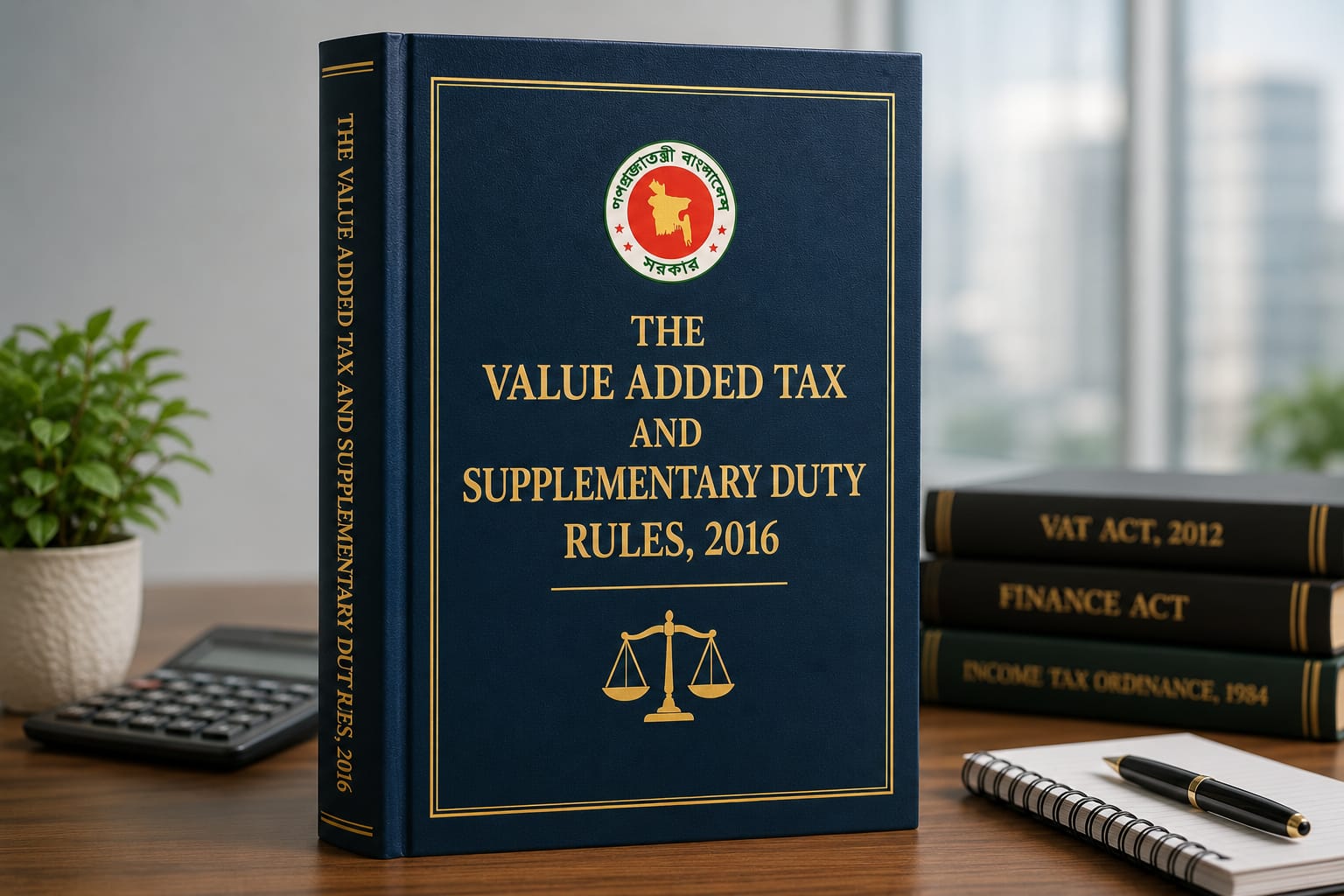
The Value Added Tax and Supplementary Duty Rules, 2016
06-07-2026

The Bangladesh Labour Rules, 2015
06-07-2026

THE INCOME-TAX ORDINANCE, 1984
06-07-2026

The Customs Act, 2023
06-07-2026
.jpeg)
The Income Tax Act 2023
06-07-2026

The Bangladesh Labour Act, 2006.
06-07-2026

The Value Added Tax and Supplementary Duty Act, 2012
06-07-2026